




Home | Trauma Therapy
THERAPY IN SARNIA-LAMBTON | VIRTUAL ACROSS ONTARIO
Trauma Therapy in Sarnia, ON
Therapy for trauma, PTSD, & C-PTSD through a holistic lens
HEAL FROM PAST WOUNDS & PTSD SYMPTOMS
REBUILD SAFETY & NERVOUS SYSTEM REGULATION
RESTORE BALANCE IN MIND AND BODY
BLUE COAST HOLISTIC PSYCHOTHERAPY IN SARNIA, ON
Do you feel stuck in the effects of trauma?
Are previous experiences making it hard to feel safe, connected, or at peace?
Trauma can leave lasting imprints on both the mind and body, shaping how you see yourself, others, and the world around you. You may notice it in the form of anxiety, sleepless nights, feeling constantly on edge, or a deep sense of disconnection. At Blue Coast Psychotherapy, we understand that healing from trauma isn’t about erasing the past—it’s about gently creating space for safety, resilience, and reconnection. Through compassionate, trauma-informed care, we support you in processing painful experiences and moving toward a life where calm, balance, and wholeness feel possible again.
Whole person healing starts here.
Message us to begin.
Trauma Therapy in Sarnia
Trauma Can Often Show Up As
- Flashbacks or intrusive memories
- Nightmares or disturbed sleep
- Hypervigilance or feeling “on edge”
- Difficulty trusting others or feeling safe
- Emotional numbness, detachment, or avoidance
- Anxiety, depression, or irritability
- Trouble concentrating or remembering things
Trauma therapy at Blue Coast Psychotherapy can help you process past experiences and move forward.
Meet Our Team
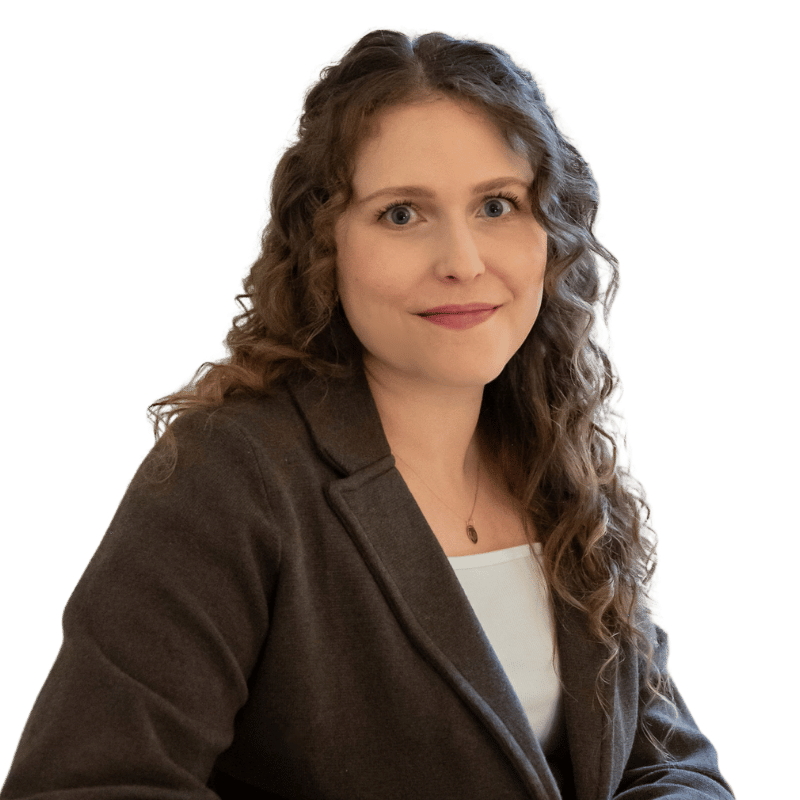
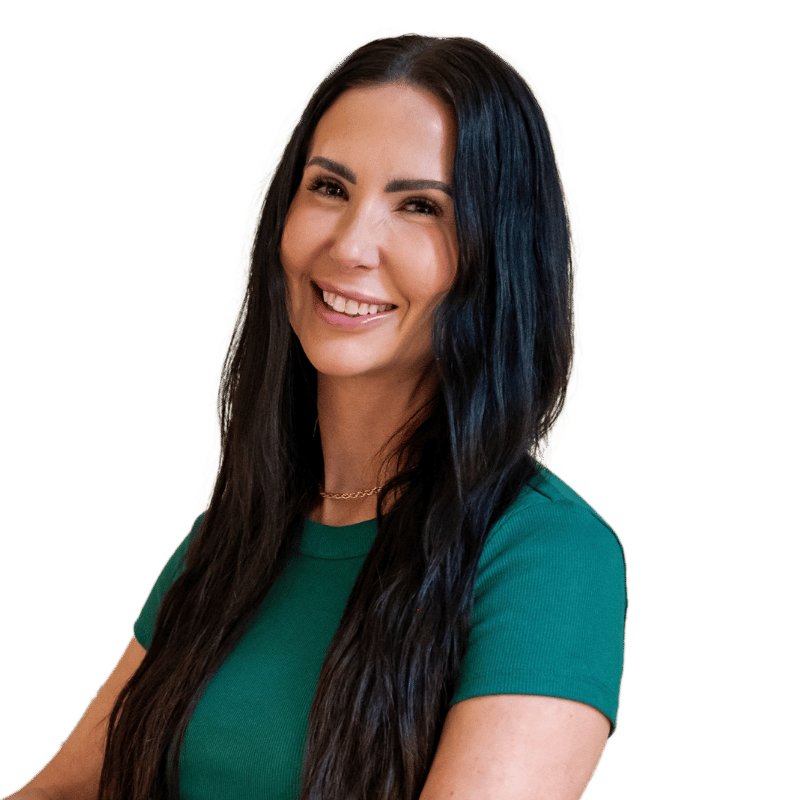
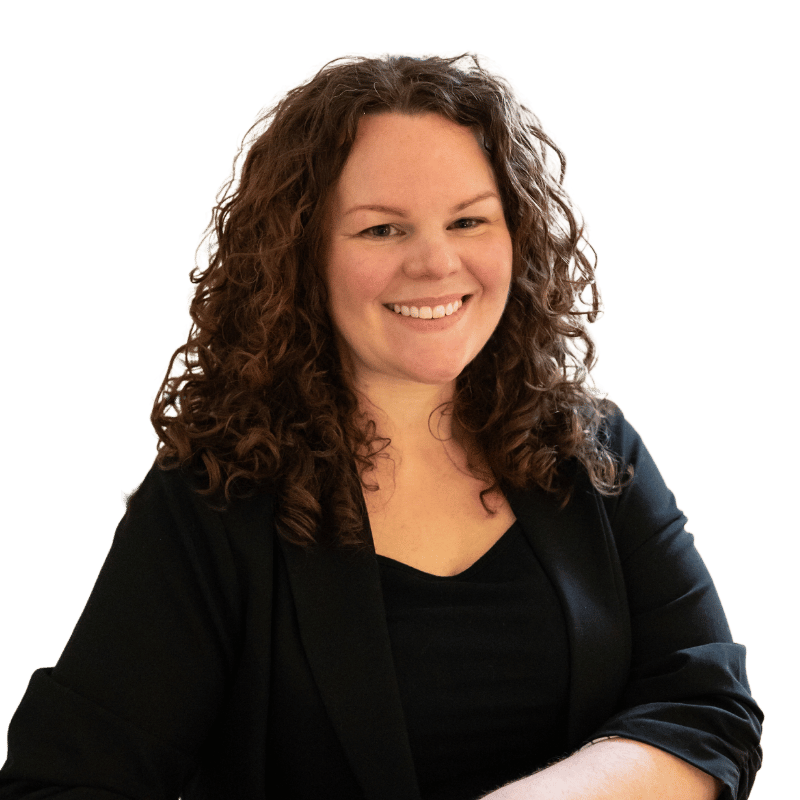
Match With a Trauma Therapist in Sarnia, ON
Finding the right therapist is the first step forward. Connect with our therapists at Blue Coast Psychotherapy who are dedicated to supporting your healing and well-being.
TRauma Therapy in Sarnia
Who Can Benefit from Trauma Therapy?
Trauma therapy isn’t only for those who have lived through life-threatening or catastrophic events—what’s often called “big T” trauma (such as abuse, accidents, or major loss). Many people also carry the weight of “little t” trauma—experiences that may not seem extreme on the surface, but still leave lasting emotional affects. This can include things like ongoing stress, childhood neglect, bullying, or difficult relationships.
Both big and little traumas can affect how you feel in your body, how safe you feel in the world, and how connected you are to yourself and others. If you find yourself stuck in cycles of anxiety, self-doubt, or disconnection, trauma therapy can provide an avenue of healing.

Therapy for "BIG T" trauma
Read More
Therapy designed for healing after major, life-altering events such as abuse, accidents, or loss.

Therapy for "LITTLE T" trauma
Read More
Helping you process through the cumulative effects of unresolved stress, and emotional and relational wounds.

Trauma therapy for adults
Read More
Supporting adults in working through both “Big T” and “little t” trauma impacts, and fostering whole-person wellbeing.

Trauma therapy for teens
Read More
Guiding teens through trauma recovery with care, understanding, and tools for growth.

Trauma therapy for couples
Read More
Providing a safe space to heal relational trauma, strengthen attachment, and grow together.
Trauma Therapy in Sarnia
Our Approach to Trauma Therapy
At Blue Coast Psychotherapy, we approach trauma therapy with the goal of providing a safe, supportive space for you to process painful experiences and rebuild a sense of safety and control.
AT BLUE COAST PSYCHOTHERAPY, WE WORK TOWARDS:

Helping you process experiences in a safe environment with a trained trauma therapist

Providing you with grounding, self-regulation, and coping techniques to manage overwhelming emotions & increase long-term resilience

Addressing root causes rather than symptom-focused, and working towards whole-body wellness

Improving relationships and daily functioning by breaking cycles of fear and avoidance

Trauma Therapy in Sarnia
How We Can Help With Trauma
Our therapists at Blue Coast Psychotherapy utilize a variety of integrative, holistic methods to work towards healing trauma and fostering whole-body wellbeing.
Eye Movement Desensitization & Reprocessing (EMDR)
Rooted in evidence-based practice, EMDR is a powerful modality that helps the brain reprocess distressing memories and restore emotional balance. By using guided eye movements or other forms of bilateral stimulation, EMDR helps the brain reprocess stuck memories, reducing the emotional charge they carry. Over time, this allows you to feel more grounded, less triggered, and better able to move forward with a sense of peace and resilience.
Internal Family Systems (IFS)
Internal Family Systems (IFS) is a compassionate, evidence-based approach that helps you understand and heal the different “parts” of yourself. Rather than pushing away difficult emotions or inner voices, IFS helps you connect with them in a safe and supportive way, uncovering the protective roles they play. Through this process, you can access your authentic self, foster inner peace, and move toward lasting healing and self-acceptance.
Somatic Therapies
Somatic therapies focus on the powerful connection between mind and body. By gently tuning into physical sensations, breath, and movement, these approaches help release stored stress and trauma that talking alone may not fully reach. Somatic work supports nervous system regulation, fosters a sense of safety, and restores balance—helping you feel more grounded, present, and connected to yourself.
Cognitive Therapies (CBT, CPT, DBT)
Cognitive therapies such as CBT, CPT, and DBT focus on understanding the connection between thoughts, feelings, and behaviors. These approaches provide practical skills to challenge unhelpful thinking patterns, regulate emotions, and build healthier coping strategies. By learning tools to shift perspective and manage difficult emotions, clients can reduce distress, improve relationships, and feel more in control of their lives.
BLUE COAST PSYCHOTHERAPY
Trauma Therapy in Sarnia
You don’t have to carry the weight of trauma alone. With the right support, recovery and resilience are possible.
BLUE COAST PSYCHOTHERAPY
Frequently Asked Questions
What do you mean by "trauma-informed" therapy?
Trauma-informed therapy focuses on creating a safe, supportive, and collaborative environment where you feel respected and in control of your healing process. It recognizes how trauma can affect emotions, relationships, and the nervous system.
Key aspects include safety, trust, collaboration, choice, skill-building for emotional regulation, and empowerment, allowing therapy to move at a pace that feels comfortable for you.
What does trauma therapy involve?
Trauma therapy helps you process difficult experiences in a safe, supportive space. It focuses on building emotional regulation, processing memories, understanding patterns, developing coping skills, and integrating healing into daily life. This can look like trauma-informed therapy, EMDR, somatic therapy, IFS, Cognitive Processing Therapy, and more. Your therapist tailors the approach to your needs, pace, and goals.
How do I know if my symptoms are trauma‑related?
Symptoms can vary, but common signs include intrusive thoughts or memories, hypervigilance, avoidance of reminders, emotional numbness, sleep difficulties, intense startle responses, or overwhelming emotions. If past experiences feel unresolved or interfere with daily functioning, trauma therapy may help.
Who could benefit from trauma therapy?
Anyone who has experienced events that continue to affect their daily life, such as accidents, abuse, loss, medical trauma, or chronic stress, can benefit. Trauma therapy supports those struggling with anxiety, flashbacks, avoidance, emotional dysregulation, relationship difficulties, or a sense of being “stuck.”
What approaches are used in trauma therapy?
Trauma therapy can include a range of evidence‑informed approaches, such as somatic‑informed work, EMDR (Eye Movement Desensitization and Reprocessing), attachment and relational therapy, CBT‑informed trauma processing, and mindfulness‑based strategies. Your clinician will tailor the approach to your needs, pacing the work in a safe, respectful way.
What does trauma therapy look like?
Therapy begins with building safety, trust, and stabilization. Sessions may include exploring experiences, working with body‑based sensations, identifying patterns, and developing coping skills. Over time, the focus shifts toward processing the impact of trauma and strengthening emotional regulation and resilience.
How long does trauma therapy take?
There is no set timeline – healing is individual. Some people benefit from short‑term trauma processing, while others work through deeper layers over longer periods. Your therapist will collaborate with you to set goals and adjust the pace as needed.
Is trauma therapy safe?
Yes, safety is central to trauma therapy. Our therapists at Blue Coast work at your pace, focus on stabilization before deeper processing, and continually check in about comfort, readiness, and consent. You remain in control of what you share and when.
Will I have to relive my trauma in detail?
Not necessarily. Many trauma approaches allow healing without repeated, vivid retelling. Therapy focuses on building safety, and processing experiences in a manageable way – not re‑experiencing trauma in an overwhelming way.
Can trauma therapy help with anxiety, depression, or relationship issues?
Yes. Trauma can underlie many emotional and relational challenges. Healing trauma often leads to improvements in mood, anxiety levels, self‑regulation, boundaries, and connection with others.
Blue Coast Holistic Psychotherapy
How To Get Started
Whole-person healing begins here.

Schedule your free consultation or first session through our online booking platform.

Ask a question, or let us help you find the right fit on our team.

Fill out the contact form, and we'll get back to you to talk about next steps.

Visit Blue Coast Holistic Psychotherapy for Therapy in Sarnia
We offer in-person therapy in Sarnia and online psychotherapy across Ontario.